October 6, 2026
Solar Electrical Disconnect for Roofing Explained
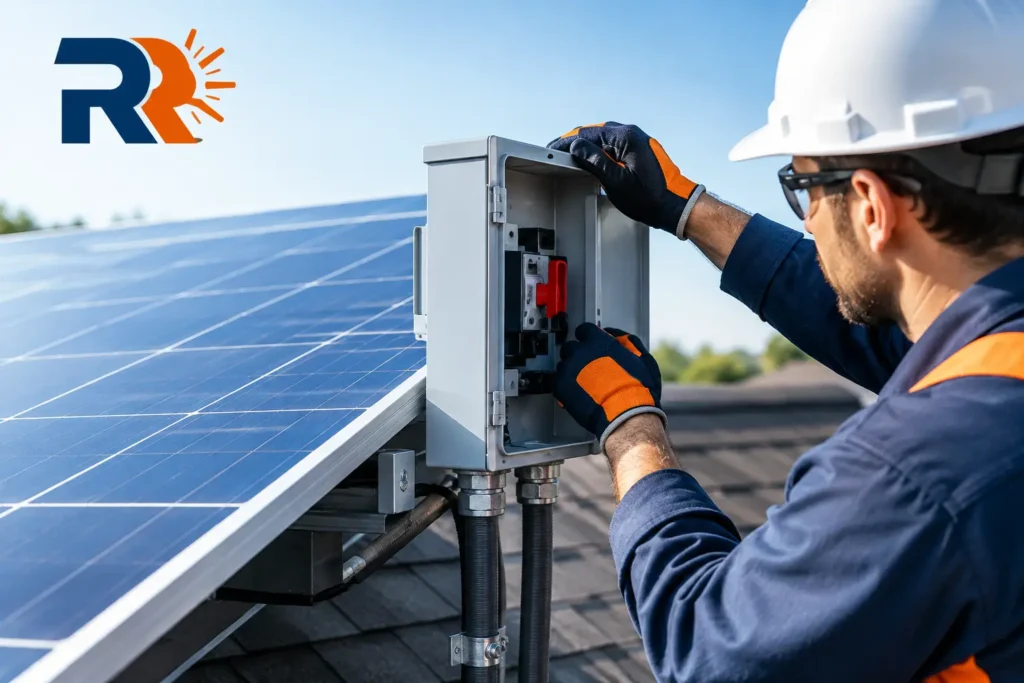
A roofing crew may need a clear, safe work area fast after a leak, aging shingles, or storm damage. But a rooftop solar array is not simply an obstacle to work around. A solar electrical disconnect for roofing is part of a controlled process for taking a PV system out of service before panels and mounting equipment are removed, then documenting what was found before the system is put back into operation.
For a homeowner, the concern is understandable: will the panels be protected, will the roof be properly accessible, and will anyone know whether the system is operating after the work? For a roofer, the priority is a clean handoff with no solar equipment left in the way. Both outcomes depend on coordination, not shortcuts.
What a solar electrical disconnect for roofing actually means
The term can sound simple, but rooftop PV systems may include several points of isolation or shutdown depending on the system design, equipment generation, and applicable requirements when it was installed. These can include AC-side equipment, DC-side equipment, inverter controls, module-level devices, batteries, monitoring hardware, and labeled rooftop components.
A solar electrical disconnect for roofing is not merely flipping a switch so panels can be lifted. It is the documented electrical transition that supports safe removal and protects the system from avoidable handling mistakes during roofing work. The right approach begins with identifying the installed equipment and confirming the appropriate work sequence for that specific array.
This matters especially on older systems. Labels may be faded, original plans may be unavailable, and prior repairs or equipment changes can affect what is present. The roof work itself may be straightforward, while the solar scope requires closer review. Qualified solar personnel should manage the disconnect and reconnection work rather than leaving those decisions to a roofing crew or homeowner.
Why the disconnect must be coordinated with the roof schedule
The best time for solar removal is not simply the earliest open date. It is when the roofing contractor is ready for the array to come off and can complete the roof work within the agreed staging window. Removing a system too early can leave valuable equipment stored longer than necessary. Removing it too late can delay material delivery, tear-off, or repairs beneath the array.
A defined schedule should establish who confirms roof readiness, where equipment will be staged, when the roofing team has access to the roof, and when the solar crew returns for reinstallation. Weather can change that sequence in Florida, particularly during storm season. Clear communication gives the project team a way to adjust without leaving the homeowner guessing where their system stands.
For Melbourne, Brevard County, and Central Florida roof projects, this coordination is often the difference between an orderly detach-and-reset and a frustrating gap between trades. The goal is one protected system, even when multiple crews are working on the property.
A clear roof work area does not mean untracked equipment
Panels, rails, clamps, grounding components, wiring, and attachments should be handled as a system. When components are removed without labels, photos, or an organized staging plan, the reinstallation team may be forced to spend time identifying what belongs where. In the worst case, a missing or damaged part turns a planned reinstall into a separate corrective-work decision.
Pre-work documentation creates a reliable reference point. It commonly includes array photographs, panel and equipment identification where accessible, visible roof and mounting conditions, cable routing observations, and existing concerns noticed before work begins. This record does not assign fault for every pre-existing issue. It does establish what was observed before the roof is opened.
What a disciplined detach-and-reset scope includes
A well-written solar scope makes the boundaries of the work visible before crews arrive. It should describe the removal, protected staging, reinstallation, electrical checks, and closeout records expected for the project. It should also identify work that may require separate approval, such as damaged modules, degraded wiring, specialty hardware, roof-deck repairs, equipment upgrades, or corrections to existing system faults.
During removal, each panel and associated component needs careful handling. Panels should be placed on padded racks or other protected staging methods rather than leaned loosely against a wall, fence, or vehicle. Hardware should remain organized by array area when practical. The point is not speed for its own sake. It is craft over shortcuts – every panel, every connection, every time.
Once the roofer has completed the work area, the reinstallation should follow the approved roof layout and account for the new roof surface, flashing approach, mounting requirements, and equipment condition. A solar crew may identify items that cannot simply be reused as found. Those items should be explained and quoted separately before additional corrective work proceeds.
Mounting details deserve more attention than they get
Most homeowner anxiety centers on the panels, but penetrations and mounting details are equally important. The attachment approach must be compatible with the roof system and the solar mounting equipment. This is where a rushed reinstall can create future problems for both the roof and the array.
Remove and Restore Solar LLC provides a 10-year leak and labor workmanship warranty on its solar PV detach-and-reset work at no additional cost. That warranty applies to its own workmanship. Manufacturer, installer, roofing, and other third-party warranties remain subject to their providers’ terms and requirements.
Reconnection is followed by observation, not assumptions
Reinstalling panels is not the end of the job. The system needs electrical checks and an observed operational review appropriate to the installed equipment. Depending on the system and access available, this can include visual inspection of connections and equipment, verification of normal startup indicators, meter-based checks where applicable, and review of monitoring status when it is available.
A final production check should be documented as an observed condition at closeout. It can show that the system was operating, identify a fault code, or record an unresolved issue that needs further diagnosis. It should not be represented as a guarantee of future energy production or a promise that unrelated existing equipment problems have been eliminated.
That distinction protects everyone involved. Solar output changes with weather, shading, utility conditions, equipment health, and monitoring communications. A transparent closeout record gives the homeowner useful proof of what was observed on the day of completion without overstating what a single test can prove.
Questions to resolve before the first panel comes down
Before authorizing solar removal for a roof project, ask who owns the solar scope and how the handoffs will work. Confirm whether the proposal includes pre-work documentation, removal, staging, reinstallation, electrical checks, and written closeout findings. Ask where the equipment will be stored and what happens if a component is found damaged or incompatible during reinstallation.
It is also wise to clarify the schedule trigger. Is the solar crew arriving after the roofer confirms the roof is ready? Who communicates a weather delay? Who authorizes separately quoted repairs or replacement parts? These are practical questions, not paperwork for paperwork’s sake. They prevent costly assumptions at the point when the roof is exposed and the solar array is already off.
For roofing contractors, a defined solar partner scope removes a common jobsite bottleneck. The roofing team gets a clear work area, while the homeowner receives a documented path from shutdown through final observed operation.
If your Florida roof project requires a PV detach-and-reset, call the Remove and Restore Solar LLC office at 321-322-7746 to discuss scheduling and assessment scope. Have your property location, roof work timing, panel count, system age if known, inverter or battery details, and photos of the array ready for a more accurate estimate. A careful disconnect and a documented closeout give a valuable rooftop system the same level of attention as the roof protecting the home beneath it.