October 2, 2026
Solar Panel Inspection Before Roof Work in Melbourne, FL
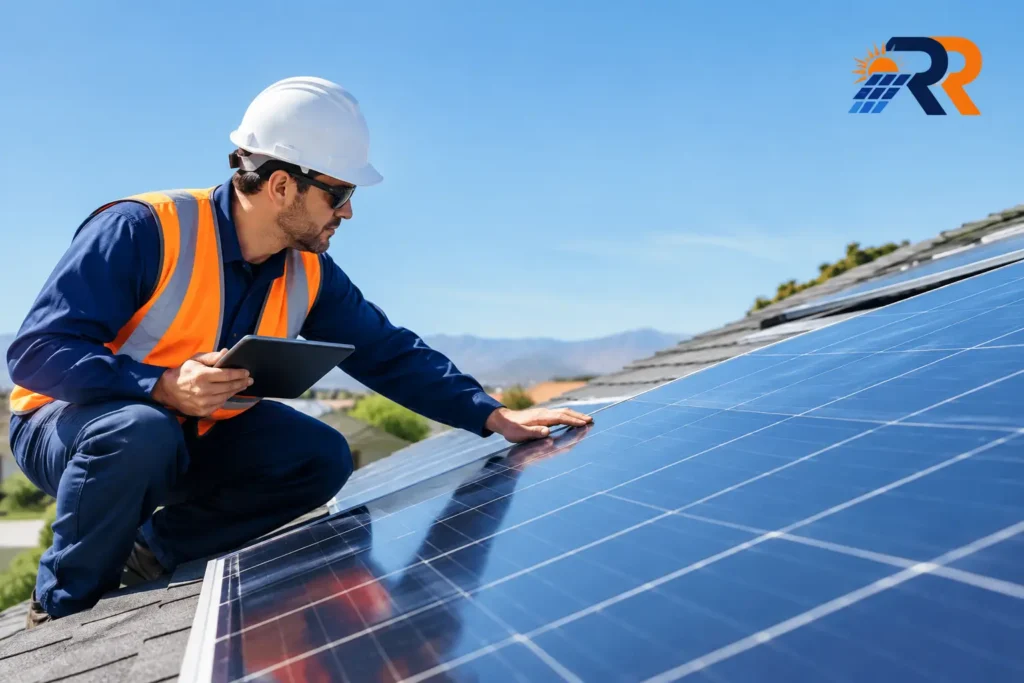
A roof project can expose a problem many homeowners do not see until scheduling begins: the solar array is part of the roof system, but it cannot be treated like ordinary rooftop equipment. A professional solar panel inspection service establishes the condition of that array before roof repair, replacement, storm restoration, or exterior work begins. It creates an organized record of what is installed, how it is performing, and what must be protected through the work ahead.
For homeowners in Melbourne, Brevard County, and Central Florida, that record reduces uncertainty around a major investment. For roofers, it creates a clear path to an accessible roof deck without asking a roofing crew to assume responsibility for solar equipment or electrical connections. The goal is not simply to look at panels from the ground. It is to understand the full system well enough to plan a controlled removal and reinstallation when the project requires it.
What a Solar Panel Inspection Service Should Establish
A useful inspection answers practical questions before crews arrive. How many modules are on the roof? Where are the attachment points, conduit runs, junction boxes, disconnects, and inverter equipment? Are there visible concerns with mounting hardware, wiring protection, roof penetrations, or panel condition? Is the system producing as expected at the time of inspection?
Those answers matter because a solar array is a connected assembly, not a collection of individual panels. A panel may look intact while a damaged connector, loose wire-management clip, compromised flashing detail, or production issue sits out of view. The inspection provides a starting condition against which the restored system can be checked later.
A thorough solar inspection typically includes visual review of the modules, racking, attachments, accessible electrical components, conduit routing, and roof areas around the array. It should also document equipment details and visible pre-existing conditions with photos. When production data or meter readings are available, those details help establish whether the system was operating normally before project work begins.
This process is especially valuable after a storm. Wind-driven debris, impact damage, lifted roofing materials, and water intrusion can affect both the roof and the solar equipment. A structured inspection separates visible solar concerns from roofing concerns so the right scope can be planned rather than guessed.
Why Inspection Matters Before a Detach and Reset
Roof replacement often requires the entire array to be removed. Repair work may require only part of the system to come down. The difference affects labor, staging, scheduling, and the reinstallation plan, which is why inspection should happen before a roofing date is locked in whenever possible.
During a detach-and-reset project, panels are disconnected, removed from the roof, staged for protection, and then reinstalled after the roofing work is complete. Every part of that sequence depends on knowing what is present before removal. Clear photos, equipment identification, labeled disconnection, and a panel-by-panel layout record help ensure equipment returns to the correct system in the correct order.
Shortcuts during this stage can create expensive uncertainty. Unlabeled equipment can slow reinstallation. Panels stored without protection can be exposed to avoidable damage. A system put back on the roof without proper checks can appear complete while producing below its prior level. Inspection is the control point that keeps the project organized from the first site visit through final production verification.
It also helps identify conditions that may require separate attention. Existing cracked modules, aging hardware, damaged roof penetrations, nonstandard mounting details, or equipment that no longer matches current installation requirements may affect the scope. Not every condition prevents a project from moving forward, but it should be documented and addressed in a written estimate rather than becoming a surprise halfway through the job.
What the Inspection Process Looks Like
The best inspections are methodical without being disruptive. A qualified solar team begins by reviewing the property and the planned roof or exterior work. That conversation establishes whether the array needs a full removal, a partial removal, a relocation, or simply a condition assessment.
Documenting the Existing System
Before equipment is moved, the team records the array layout and visible condition. This includes module placement, racking configuration, accessible wiring paths, electrical equipment, and any areas that need special coordination with the roofer. Photos serve as a practical project record, not just paperwork. They help preserve the original layout and establish what was observed before work began.
Equipment information also matters. Different panel, racking, and inverter systems have manufacturer-specific requirements. A careful inspection identifies the equipment in place so the reinstallation approach can account for compatible components and installation guidance. Manufacturer requirements and individual warranty terms vary, so no inspection should promise outcomes that are controlled by a third party.
Evaluating Mounting and Roof Interfaces
The connection between the array and the roof deserves close attention. Inspectors look for visible conditions around attachment points, flashing, seals, standoffs, and roof materials near the system. This is where solar and roofing scopes overlap, and where good coordination prevents handoff problems.
A solar provider should not make assumptions about the roofer’s work, and a roofer should not be expected to manage solar hardware. The inspection creates a common reference point so both trades understand where access is needed, when the roof deck will be clear, and when the system is ready for precision reinstallation.
Checking Electrical Condition and Production
Solar systems involve electrical components that require trained handling. Inspection can include review of accessible connections, conduits, disconnects, inverter status, and system monitoring information where available. The purpose is to identify visible concerns and establish baseline operation, not to offer homeowners instructions for electrical disconnection or reconnection.
A final production check is just as important as the initial baseline. After the roof work and reinstallation are complete, system testing helps confirm that the array is operating and that the project has a documented closeout. Weather, time of day, shading, and monitoring availability can affect what production data shows in a single moment, so results should be interpreted in context. The written scope should define the inspection and testing to be performed. A closeout records observed operation and unresolved faults; it does not guarantee future output or identify every concealed defect.
When to Schedule an Inspection
The ideal time is before the roofing contract is finalized or before a storm-restoration schedule becomes urgent. Early inspection gives the solar provider and roofer time to sequence the work properly, identify special materials, and avoid unnecessary downtime.
That said, an inspection is still worthwhile when a project is already moving quickly. If a roof leak, storm damage, or active repair need has put the schedule under pressure, a prompt site assessment can clarify the solar scope and help the trades coordinate the safest available path.
Homeowners may also benefit from an inspection when they notice lower-than-expected production, visible debris accumulation, a damaged module, loose-looking components, pest activity near wiring, or roof work planned near the array. Cleaning and performance testing can be useful services, but they are not substitutes for a full detach-and-reset assessment when roof access beneath the panels is required.
Questions to Ask Before You Approve the Work
A solar provider should be able to explain how the array will be documented, removed, protected, reinstalled, and tested. Ask who will coordinate directly with the roofing contractor, how equipment will be labeled and staged, and what closeout documentation you will receive. You should also ask how pre-existing damage or replacement parts will be handled if they are found during the project.
Be cautious with vague promises that the system will simply be “put back.” A dependable scope should address the equipment, the roof interface, electrical testing, project sequencing, and final verification. It should also distinguish standard work from specialty hardware, replacement components, repairs, or additional conditions that may require separate approval.
For Central Florida homeowners, that level of planning is particularly useful during storm-related roofing demand, when several trades may be working against compressed schedules. Clear documentation and direct contractor communication keep the solar scope from becoming the project bottleneck.
A Protected System Starts With a Clear Record
Your solar array should not become an afterthought because the roof beneath it needs attention. A careful inspection gives everyone involved a shared understanding of the existing system, the work required to protect it, and the checks needed before it returns to service.
When the roof project is complete, the most reassuring result is not just seeing panels back in place. It is knowing that every panel, every connection, and the system’s production were handled with the same deliberate care as the roof work below them.
Plan a solar inspection in Melbourne or Brevard County
Remove and Restore Solar LLC helps homeowners and roofing partners plan the solar portion of roof work. Call the office at 321-322-7746, email admin@removeandrestoresolar.com, or book a consultation with Sean.
Have the property address, approximate panel count, roofing contractor, target roofing dates, and any monitoring alerts or existing-condition photos available. We will confirm the assessment scope, any inspection or diagnostic charges, and scheduling before work begins. Replacement parts, specialty hardware, and additional corrective work are quoted separately.
For a production concern without planned roof work, see our guide to solar panels producing less electricity.