
November 4, 2026
Solar Repair Timing for Roof Work That Stays on Track
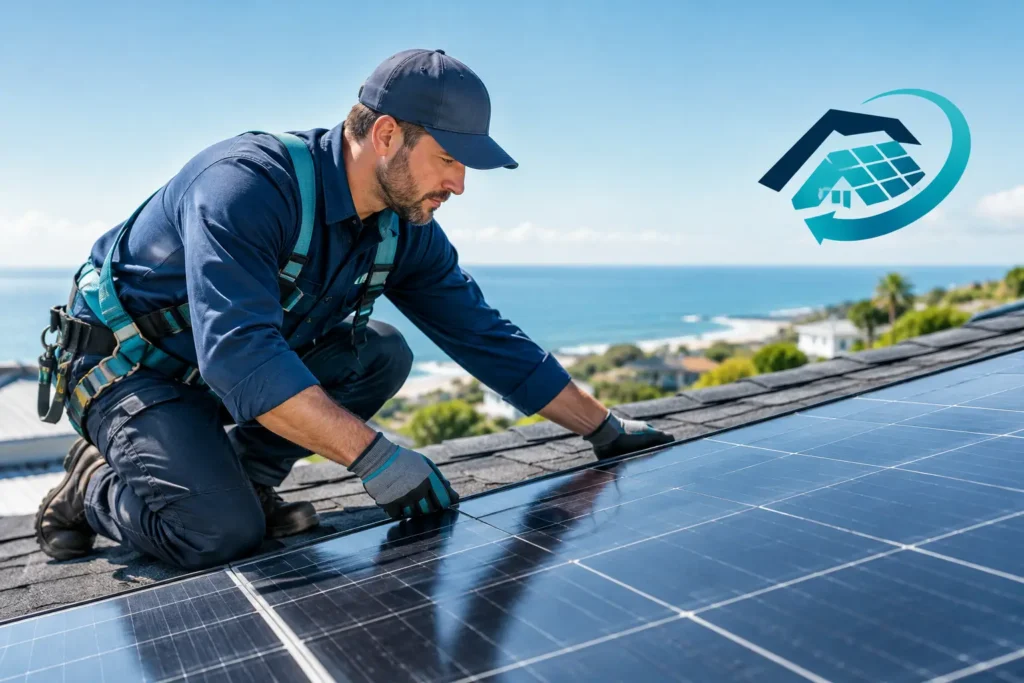
A roof crew is ready to begin, but the panels still cover the section that needs work. That is where solar repair timing becomes more than a calendar issue. It determines whether the roofer receives a clear, safe work area, whether valuable PV equipment is handled in an orderly way, and whether the system has a documented path back to operation after the roof work is complete.
For a Central Florida homeowner, roof repairs and storm-related work can move quickly. A leak, lifted shingle, damaged underlayment, or insurance-driven repair may create understandable urgency. Solar should not be treated as an obstacle or an afterthought. It needs its own defined scope, coordinated with the roofing schedule, so the roof can be repaired without creating a second problem on the array.
Why Solar Repair Timing Starts Before the Roof Crew Arrives
The best time to address a solar-covered roof area is before a roofing date is treated as fixed. The solar contractor, roofer, and homeowner need enough lead time to confirm the roof sections involved, identify array access, document the existing equipment, and establish the handoffs between trades.
This matters because the roofing schedule is only one part of the project. The solar scope may require a site assessment, panel and component documentation, a removal plan, protected staging space, and a return visit after the roof is ready for reinstallation. If those pieces are not aligned early, the roof crew may arrive before the array is cleared, or the solar team may arrive for reinstallation before the roof details are complete.
A planned sequence protects everyone’s work. The roofer has the room needed to complete the roofing scope correctly. The solar team can focus on careful equipment handling rather than rushing around active construction. The homeowner receives clear expectations about what happens first, what requires approval, and what must be completed before panels return to the roof.
The Right Sequence for a PV Detach and Reset
Every property has different roof geometry, array size, access conditions, and existing equipment condition. Still, a disciplined detach-and-reset project generally follows a consistent order.
1. Define the roof work and solar scope
Start by confirming what the roofer is replacing or repairing and whether the solar array sits over that work. A small roof repair may require partial panel removal. A full roof replacement generally requires a broader PV detach and reset. Exterior improvements, structural work, and storm restoration can also affect mounting areas or require roof access beneath the array.
The written scope should make clear what is included: pre-work photos and labeling, removal and staging, mounting-related work within the agreed scope, electrical checks, reinstallation, and closeout documentation. It should also identify exclusions. Replacement parts, specialty hardware, concealed damage, and additional corrective work should be reviewed and quoted separately before proceeding.
2. Schedule removal for the actual roof-ready handoff
The removal appointment should be tied to the roofer’s confirmed start window, not a vague estimate from weeks earlier. Removing panels too early can leave them staged longer than necessary. Removing them too late can delay the roofing crew or pressure the solar work into an avoidable rush.
Good coordination means confirming who owns each scheduling update. If weather, material delivery, permit timing, or an active roof issue changes the roofing date, the solar schedule may need to move as well. Florida weather can change a work plan quickly, especially during storm season. Clear communication is more valuable than a rigid date that no longer matches the jobsite reality.
3. Document before equipment is moved
Before removal, the existing system condition should be recorded. That can include panel layout, visible equipment condition, mounting locations, labeling, and observed system status. This documentation establishes a reliable reference for reinstallation and helps distinguish pre-existing conditions from issues found during the project.
It is also the point to surface visible concerns such as damaged components, worn wiring protection, missing hardware, or signs of prior roof or solar work that may require added attention. Finding an issue does not automatically mean a repair is included. It means the issue can be identified, explained, and addressed through a separate approval if needed.
4. Create a protected work area for the roofer
Once the agreed solar equipment is removed, panels and related components should be managed with care. Organized labeling and protected staging help preserve panel order and reduce the risk of confusion or damage while the roof is open. The goal is not merely to get equipment off the roof. It is to maintain one protected system that can be accurately returned when the roof is ready.
The roofer should then have a clear work area. That handoff is important. Roofing crews should not have to work around unplanned solar materials, and solar crews should not be forced to reinstall around incomplete roofing details. Each trade needs a defined point at which its work is ready to begin.
What Must Be Complete Before Reinstallation
Reinstallation should begin only after the roofer confirms that the relevant roof work is complete and the solar mounting areas are ready. That includes the roofing materials, flashing details, penetrations, and any roof-specific corrections that affect the array footprint.
This is where rushing creates risk. Reinstalling panels before final roof work is complete can lead to repeat handling, lost time, and avoidable questions about responsibility if additional roof access is needed. A short delay to confirm roof readiness is often preferable to moving equipment twice.
The reinstallation scope should also account for approved changes discovered earlier. If specialty hardware, replacement components, or additional corrective work is needed, that work should be authorized before it is folded into the return visit. Clear approvals protect the homeowner from surprise charges and protect the project from assumptions.
Solar Repair Timing After Storm Damage
After a major storm, roofing demand can be intense and schedules can shift repeatedly. Homeowners may feel pressure to reserve the first available roofing date, but the array still needs a realistic removal and reinstallation plan. The right question is not simply, “How soon can the panels come off?” It is, “What sequence keeps the roof repair moving while protecting the equipment and preserving clear accountability?”
For urgent roof protection, a roofer may need to stabilize a leak or exposed area before a full solar scope can be scheduled. That short-term roof response and the eventual PV detach and reset are related, but they are not always the same appointment. Establishing that distinction early helps homeowners make decisions based on the actual condition of the roof and the system.
If a storm has affected panels, racking, wiring pathways, or visible electrical equipment, an assessment can help define the appropriate next step. Confirm the assessment scope and any associated charges before scheduling. A diagnostic or inspection should document observed conditions, not assume that every concern can be resolved without parts or further authorized work.
Final Checks Are Documentation, Not a Future Production Promise
After precision reinstallation, the system should receive appropriate electrical and operational checks within the agreed scope. Closeout records can document observed operation, visible conditions, and any unresolved faults that need separate correction. This gives the homeowner a clear record of what was completed and what, if anything, still requires attention.
A final production check is valuable, but it has limits. It records the system’s observed status at that time. It does not guarantee future energy production or eliminate unrelated, pre-existing equipment problems. Inverters, monitoring systems, utility conditions, aging components, and manufacturer-specific issues can affect performance outside a detach-and-reset scope.
Warranty awareness also matters. Manufacturer and third-party warranty terms remain subject to each provider’s requirements. For its own solar PV detach-and-reset work, Remove and Restore Solar LLC provides a 10-year workmanship warranty on leaks and labor at no additional cost. The exact written scope remains the foundation for understanding what work was performed and what is covered.
A Solar Repair Timing Plan That Reduces Friction
The most reliable projects share one characteristic: no one is guessing about the next handoff. The homeowner knows when the solar equipment will be removed and where it will be staged. The roofer knows when the roof area will be clear and when to confirm readiness for reinstallation. The solar team has the documentation and approvals needed to return every panel and connection with care.
When requesting an estimate, provide the property location, the roofer’s anticipated schedule, whether the work is a repair or full replacement, photos of the array and roof area if available, panel count, and any known concerns with system operation. For Melbourne, Brevard County, and Florida projects requiring coordinated PV detach and reset work, call the office at 321-322-7746 to discuss the scope and schedule a booking.
A well-timed solar plan does not make roof work feel effortless. It makes responsibilities visible, protects the equipment from shortcuts, and gives every trade the room to do the job correctly.