
October 9, 2026
Central Florida Solar Panel Removal, Done Right
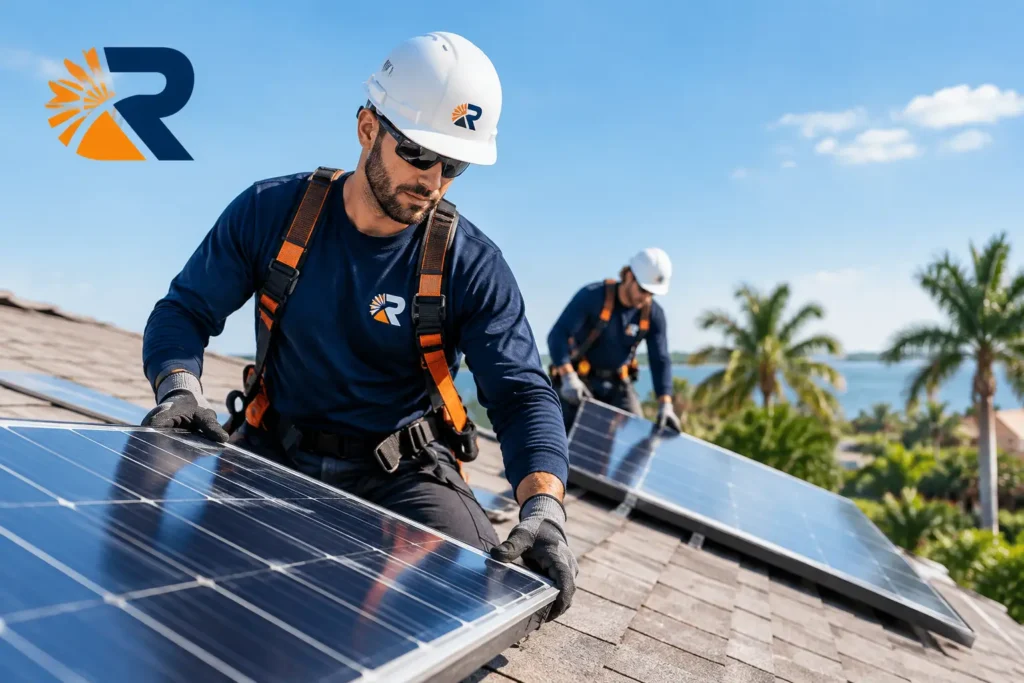
A roof crew cannot properly inspect, repair, or replace the roof beneath an active solar array. Yet removing panels is not simply a matter of clearing space. Central Florida solar panel removal requires a controlled handoff between roofing and solar work, with careful records of what was removed, where it was staged, and what was observed when the system was put back into service.
For homeowners, the goal is straightforward: protect a valuable rooftop system while giving the roofer a clean, usable work area. For roofing contractors and property teams, the goal is equally practical: avoid delays caused by unclear responsibility for solar equipment. The best result comes from defining the solar scope before the first panel is lifted, not trying to resolve missing hardware, access concerns, or scheduling conflicts once the roof is open.
When solar panel removal is the right decision
Solar removal is generally needed when roofing work reaches areas covered by the array or when the roof structure, underlayment, flashing, penetrations, or shingles beneath the system need attention. That can include a full roof replacement, a localized roof repair, storm-related work, exterior renovation, or an access issue involving components hidden by the mounting system.
The right scope depends on the roof plan and the solar layout. A small repair at the edge of an array may call for partial removal, while a full replacement commonly requires the entire affected photovoltaic system to be detached and staged. It is worth confirming this early with the roofer. “Working around” panels can sound efficient, but it may limit the roofer’s ability to complete the work correctly and can create a patchwork of responsibility later.
Homeowners should also distinguish photovoltaic equipment from solar pool-heating panels. They are different systems with different materials, connections, and risks. Older pool panels may be brittle, and their removal or replacement should be reviewed individually based on access, panel count, piping, pump distance, and site conditions.
The handoff that keeps roofing work moving
A solar crew and roofing crew should not operate as separate trades with separate assumptions. The solar scope needs to create a clear roof handoff, while the roofing schedule needs to give the solar team reliable notice for return installation. This is where disciplined coordination matters more than speed.
Before scheduling, the parties should confirm which roof sections are affected, who is providing the roof-ready notice, how long the roof work is expected to take, and whether the new roof assembly changes any flashing or mounting requirements. If the roofing scope changes after removal, the solar reinstall plan may change with it. Early communication prevents a crew from arriving to reinstall before the roof is ready or finding that an unplanned roof detail needs separate review.
A useful handoff also identifies the site conditions that affect access. Driveway space, side-yard clearance, landscaping, gate access, panel location, steep roof areas, and equipment placement can all influence staging and scheduling. These are practical details, but they protect the project from avoidable day-of surprises.
What a controlled removal scope should include
A professional solar detach-and-reset process begins with documentation, not disassembly. The system should be visually recorded and its equipment identified before work begins. Panel locations, mounting components, accessible wiring conditions, and visible pre-existing concerns provide a reference point for reinstallation and closeout.
The removal scope should also state how modules and related equipment will be handled. Panels need organized labeling and protected staging rather than being stacked without a plan. Mounting components, fasteners, and electrical equipment should be kept in a way that supports accurate reassembly after the roofing work is complete. Every panel, every connection, every time is not a slogan when equipment must return to its original layout. It is a practical standard for avoiding confusion and unnecessary rework.
A clear written scope commonly addresses:
- Pre-work photos and documentation of accessible conditions
- Panel, mounting, and equipment handling during detach and staging
- The roof-area handoff to the roofing contractor
- Reinstallation work after the roof is confirmed ready
- Electrical observations and operational testing at closeout
The exact scope still matters. Replacement parts, specialty hardware, repairs to pre-existing issues, code-driven corrective work, and conditions uncovered after removal may require separate approval and pricing. A careful provider explains that distinction before proceeding rather than treating every unknown as included.
Protected staging is more than a storage detail
PV modules are designed for years of rooftop exposure, but that does not mean they should be handled casually during a construction project. Glass, frames, junction boxes, connectors, and cables can be damaged by poor stacking, contact with jobsite debris, or mixing components from different sections of the array.
Protected staging means the equipment is kept organized, supported, and out of the path of active roofing work. It also means the property owner and roofer understand where the equipment will be placed and what access must remain clear. On a tight site, this conversation may determine whether removal and reinstallation occur in one sequence or whether project timing needs adjustment.
Staging plans should account for weather as well. Florida projects can be affected by fast-moving rain, heat, wind, and storm interruptions. A schedule that looks simple on paper may need flexibility to protect equipment and maintain safe working conditions. Confirming the schedule individually is more responsible than promising a fixed turnaround before the roofing scope and weather window are known.
Reinstallation should follow the finished roof, not assumptions
Once the roofer confirms that the roof is ready, the solar team can begin the reset process. This is not merely putting panels back where they were. The mounting approach must align with the completed roof assembly and the applicable scope. Roof penetrations, flashing interfaces, rail placement, grounding or bonding components, wire management, and accessible electrical connections all deserve attention.
A warranty-aware reinstall also requires restraint. Existing manufacturer, installer, or equipment warranties remain governed by their respective provider terms and requirements. No solar contractor should promise to preserve a third-party warranty without reviewing what applies to the particular system and work performed.
Remove and Restore Solar LLC provides a 10-year workmanship warranty on leaks and labor for its photovoltaic detach-and-reset work, at no additional cost. That commitment applies to its own workmanship, not to unrelated existing equipment faults, component failures, or third-party warranty decisions. Clear boundaries are part of accountable service.
What final testing can and cannot tell you
After reinstallation, a final production check should document observed operation at the time of closeout. Depending on the system and accessible equipment, that may include visual review, electrical checks, inverter status review, and performance observations using appropriate testing equipment.
This record is valuable because it identifies whether the system appears to be operating after the roof project and whether unresolved faults are present. It is not a promise of future production, a guarantee that every historical issue has been eliminated, or a substitute for repairs outside the agreed scope. Weather, shading, utility conditions, monitoring communications, aging equipment, and pre-existing defects can all affect what is observed.
If a concern is found, the right next step is documentation and a separate recommendation for corrective work where needed. That approach protects the homeowner from vague assurances and gives the roofer a defined closeout instead of an open-ended solar question.
Questions to settle before the project is booked
The strongest projects begin with a few direct answers. Homeowners should know whether the roof work requires full or partial detach, where panels will be staged, who will coordinate the roof-ready date, and what testing will be documented after reset. Roofing contractors should know what access the solar crew needs, what conditions could affect the schedule, and who approves work outside the original scope.
It is also wise to provide the array size, panel count if known, system age, roof type, the roofer’s anticipated schedule, and photos of the house and electrical equipment when requesting an estimate. Those details help define a practical scope before crews are mobilized.
For Central Florida, Melbourne, and Brevard County homeowners and roofing professionals, call Remove and Restore Solar LLC at 321-322-7746 or book a solar consultation online to discuss a photovoltaic detach-and-reset project. Bring the roof timeline, panel count, property access details, and any known system concerns to the conversation. A well-managed solar removal does not just clear the roof – it returns one protected system to service with a documented, orderly handoff.